Make Flow Move Again, Fast

Today we dive into Rapid Kaizen tactics to unclog factory bottlenecks, turning stuck queues into smooth, reliable movement. You will see how quick experiments, frontline insight, and sharp metrics deliver dramatic gains without massive capital. Expect practical steps, real stories, and a playbook you can start using before your next shift ends.

Spot the True Constraint Before Lunch

Fast relief starts by pinpointing the single step throttling everything else. Walk the floor, watch queues, listen to operators, and map wait times against demand. Use simple timers and tally sheets, not bloated reports. When the real constraint is visible, focused action accelerates flow while protecting safety, quality, and morale across the entire shift.

Walk the Line with Purpose

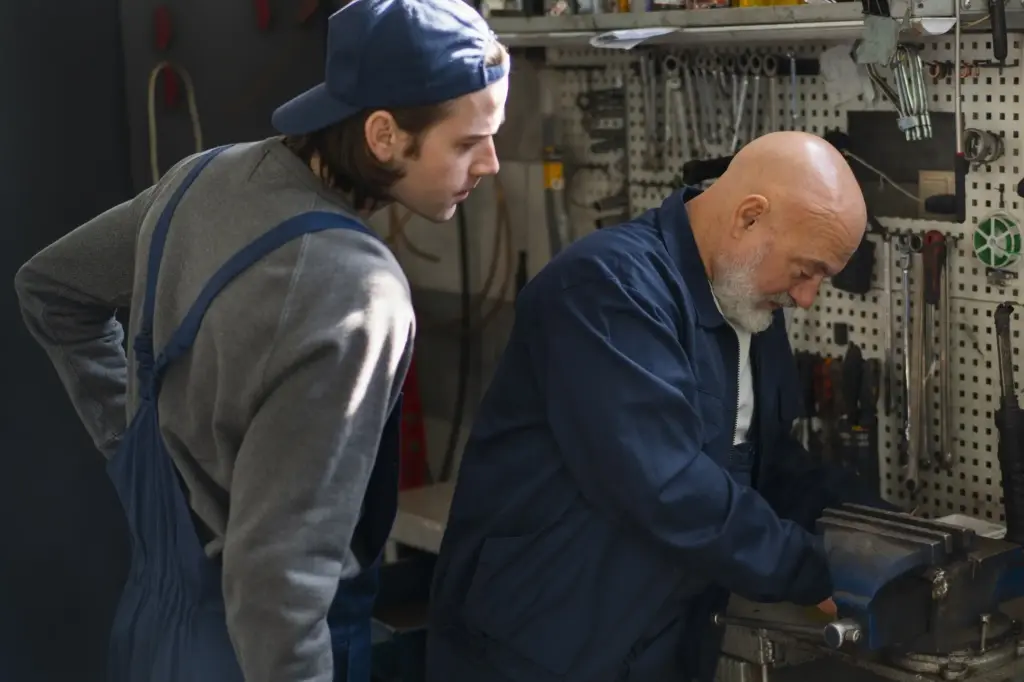
Start at order entry and follow one unit all the way through. Note every pause, handoff, and tool hunt. Ask five whys beside the machine, not in a conference room. People closest to the work reveal hidden friction, revealing patterns no dashboard shows and guiding the next bold experiment.

Prove It with Flow Data

Build a simple run chart of cycle times and a queue length heatmap for each hour. Count WIP. Tag parts with timestamp stickers to expose dwell time. Use Little’s Law to sanity‑check guesses, then prioritize interventions where small wins could multiply throughput the fastest, with minimal risk and cost.

Define Success Measurably

Agree on a short, specific target: minutes of queue cut, units per hour gained, or percent on‑time improvement at the key step. Include quality and safety limits. When everyone sees the same scoreboard, rapid experiments stay aligned and confidence grows with each visible, believable result shared before shift change.

Changeovers in Minutes, Not Hours

Speed matters most where frequent setups starve the line. By separating internal from external tasks, staging everything beforehand, and simplifying clamps and settings, teams can reclaim huge capacity. At a Midwest packaging plant, a scrappy crew cut a 54‑minute changeover to 18 by externalizing prep and adding two $30 clamps, revealing hidden throughput that feels like adding a new machine without buying anything.

Externalize Everything You Can

Prep tooling, materials, recipes, and paperwork while the machine still runs. Preheat, preset, and label. Build checklists that any trained operator can follow. When the stop button finally gets pressed, only the irreducible swaps remain, executed cleanly in sequence, with zero searching or debate about what happens next.

Design for Quick Release

Replace bolts with cam locks, color‑code hoses, use keyed connectors, and set hard stops for repeatable positions. Add shadow boards beside the station. Small mechanical conveniences remove hesitation and variance, giving back minutes every cycle and letting people focus on quality, safety, and rhythm instead of frustrating fiddling.

Rehearse Like a Pit Crew

Time a dry run with roles assigned, verbal cues, and clear handoffs. Record video from above to spot wasted motion. Iterate until movements look boringly smooth. Teams feel pride when the stopwatch proves mastery, and the entire line breathes easier as predictable changeovers restore dependable flow.

Shrink the Distance Between Value

Arrange workstations in a U so one person can see multiple steps and help where needed. Stage kits within arm’s reach. Put gauges at eye level. When motion stops being a scavenger hunt, rhythm emerges, quality rises, and the constraint often relocates to a more meaningful technical limit.

Visualize Normal, Expose Abnormal

Mark expected positions for carts, pallets, and tools. Use minimum‑maximum lines on bins. Show setup photos at the point of use. These gentle guides turn confusion into clarity, so deviations shout for attention early, preventing tiny snags from growing into hour‑eating stoppages that punish delivery and customer trust.

Balance with Takt-Friendly Worksharing

Split uneven tasks into clearer elements and redistribute them so each station finishes near the same heartbeat. Use simple cardboard mockups to test ideas. Ten minutes of rebalancing can erase chronic waiting, unlocking surprising output while keeping workloads humane and sustainable across diverse skills and shift patterns.

Standard Work that Sticks Under Pressure
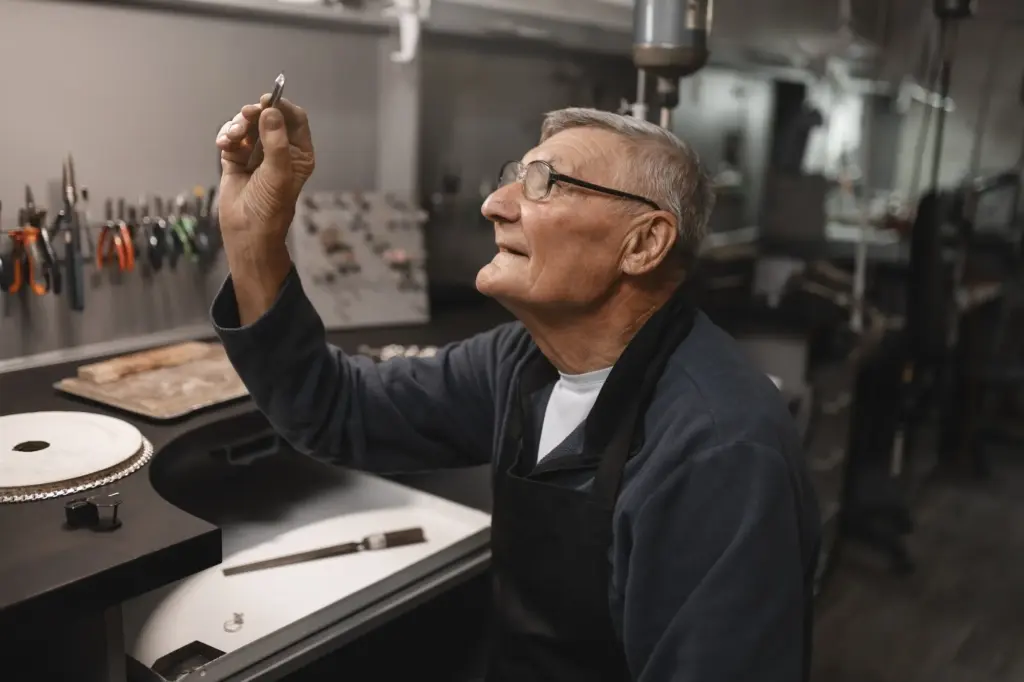
Clear, visual instructions let teams recover from surprises without improvising risky shortcuts. By capturing the best known method, including quality checks and safe limits, leaders create a stable baseline for improvement. When variation shrinks, bottlenecks loosen, and creativity focuses on smarter flow, not daily reinvention under fire.

Real-Time Signals that Keep Problems Small

The earlier you see trouble, the cheaper it is to fix. Bright, unambiguous signals summon help quickly, cap work‑in‑process, and smooth demand. When teams can react within minutes, bottlenecks shrink into manageable ripples instead of destructive waves that crater schedules and exhaust everyone chasing late orders.

Andon That Invites Help Fast

Make it safe and easy to pull for assistance the moment abnormal appears. Use lights, sound, and messaging tied to clear response roles. Track reasons, not blame. Rapid acknowledgement builds trust, turning small stoppages into coached learning moments rather than recurring mysteries that quietly erode delivery promises.

Right-Sized Buffers Protect Flow

Place small, visible buffers before and after the constraint, sized by data, not guesses. Refill cadences protect the heartbeat without masking problems. When the line absorbs minor shocks gracefully, teams gain courage to expose deeper issues and remove them methodically, one confident improvement at a time.

Kanban with Meaningful Limits

Set explicit card counts grounded in takt and changeover times. Visualize demand spikes and aging work. Audit loops keep correctness alive. Respecting limits prevents quiet overload that breeds chaos, turning scheduling from guesswork into an honest conversation between customers, planners, and the people who actually build value.

A 48-Hour Blitz Playbook You Can Run Tomorrow

Ready to act fast? Here is a two‑day cadence proven in busy plants: clarify the target, gather a cross‑functional crew, observe the line, test three ideas, standardize what works, then report out. Expect measurable wins, energized teams, and momentum that invites your colleagues to join.

Assemble the A-Team of Doers

Invite an operator from the constraint, a maintainer, a quality partner, a planner, and a respectful leader who clears roadblocks. Keep the group small, hungry, and diverse. Empower decisions on the spot. Ownership grows when contributors see their fingerprints on better flow by sunset.

Sprint with Timeboxed Cadence

Work in ninety‑minute loops: observe, change one variable, measure, then huddle. Post results on a whiteboard where everyone can see progress. If an idea fails, harvest learning and pivot. Velocity plus transparency builds belief, which attracts help and unlocks bolder improvements by the afternoon.

Lock In Gains and Share the Story

Document the new method, train the shift, and label the changes. Schedule a quick follow‑up to confirm the win sticks. Share before‑and‑after photos and a few heartfelt quotes. Invite readers to comment with their hardest current bottleneck, and subscribe to swap wins across plants.

Zovaxavuhahikevukavafe
Privacy Overview

This website uses cookies so that we can provide you with the best user experience possible. Cookie information is stored in your browser and performs functions such as recognising you when you return to our website and helping our team to understand which sections of the website you find most interesting and useful.